


Foggy brain

Updated: Feb 15
While my identity crisis whispered in high school. At university, it roared. Suddenly, my mind no longer cooperated. Words blurred. I could sit for hours with a book open in front of me and still not understand a single sentence. I lost my keys, forgot where I parked my bike or car on a daily basis. Simple things slipped through my fingers as if my memory had developed holes. Yet on the outside, I looked functional.
Adoptees often become experts in adaptation. I knew how to read a room, how to perform stability, how to reassure others that I was fine. And for a while, the performance held. Behind the door of my student dorm, however, the curtain dropped. My energy drained away completely. I slept twelve, sometimes sixteen hours a day.
Awake, I moved like a ghost inside my own life, slow, heavy, ashamed. I wondered how the girl who once managed school perfectly could suddenly no longer read or write without panic. Years later, I would find language for it: trauma. Back then, I only knew the fog.
My thoughts circled endlessly around fragments of early childhood and around the meeting with my mother in 1991. I replayed them compulsively, day after day, trying to force clarity out of confusion. There were too many inconsistencies, too many unanswered questions. My brain kept searching for a solution that did not exist. It exhausted me.
I understood survival. Living was another matter.
To survive meant to earn money, so I worked. First at the airport as a security officer, later as an office manager. I could function within structures, complete tasks, and smile at colleagues. But the moment I came home, I crashed. Feeding myself or keeping my space in order sometimes felt impossible. I lived in what I later began to call my automatic-pilot survival mode: not fully present, not fully gone.
Reading remained my greatest fear. Long texts made my heart race. With improvised tricks like spacing out sentences and pretending to skim, I concealed how little I had absorbed. I hid it because I believed people would not understand. Intercountry adoption is often reduced to a happy ending; the lifelong aftermath rarely fits the picture.
Six years ago, I finished reading a book for the first time in years. I remember closing it and crying. What seemed ordinary to others felt monumental to me. When I travelled to Indonesia again, my concentration improved for a while. Mornings were best; by late afternoon, my mind simply shut down. I warned my boyfriend gently: “Save the difficult questions for the mornings.”
The pandemic gave me time to do research, to try to find my biological mother, to gather pieces of a history that had always been out of reach. Before I left for Indonesia, I thought I was close. I believed I carried answers home. Instead, I returned with more confusion. Weeks passed in numbness. Friends asked what I had discovered, but I could barely comprehend it myself. Explaining it felt impossible. So I withdrew.
For now, my world is small: work, eat, sleep, walk, swim. The walking and swimming began as rehabilitation for my ankle, yet they also loosen the grip of stress, if only briefly.
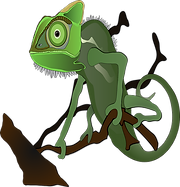
The search did yield important, unexpected information, but after weeks of intensity, my mind rebelled. The fog descended again. Forgetfulness returned. Once again, I stared at books and screens without understanding what I was reading. Fear crept in: what if this time it would cost me my job? Pretending no longer works. The chameleon is tired.
I sometimes joke that I once deserved Oscars for my performance of being okay. Lately, I have been nominated for worst acting instead. Humour helps, but beneath it sits something harder: embarrassment. The awareness that people see an adult woman who appears capable, while inside she is negotiating the neurological aftermath of separation, loss, and decades of unanswered questions.
Adoption did not end when the paperwork was signed. It continues in the brain every day.


Comments